
Prevent Pelvic Congestion Through Active Living
Combat venous stagnation and maintain healthy pelvic circulation with regular movement and balanced lifestyle choices
Learn More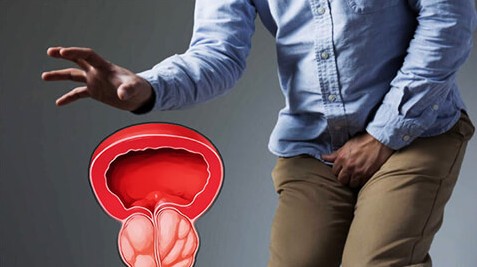
Understanding Pelvic Congestion
Pelvic congestion occurs when blood flow slows down and pools in the lower body area. This stagnation happens when men spend too much time sitting or remain inactive for extended periods, preventing proper blood circulation and fluid drainage.
Preventing venous congestion requires consistent physical movement and avoiding prolonged sitting. Regular activity helps pump blood back to the heart, maintains healthy tissue function, and prevents the buildup that leads to discomfort and health complications.
Breaking the Cycle of Congestion
Sedentary work creates perfect conditions for pelvic congestion. When you sit for hours without moving, blood and fluids accumulate in the lower body. Standing up and walking every 1-2 hours helps reverse this pooling effect and restores proper circulation.
Simple exercises like squats, pelvic tilts, and leg raises specifically target the pelvic area to prevent stagnation. These movements engage muscles that naturally pump blood and fluids, reducing the risk of venous congestion and maintaining healthy tissue function.
Essential Steps to Prevent Congestion
Frequent Movement Breaks
Breaking up sitting time prevents blood from pooling in the pelvic area. Walk, stretch, or do simple exercises every 1-2 hours to keep circulation active and prevent venous stagnation throughout your workday.
Anti-Congestion Diet
Foods rich in fiber prevent digestive issues that worsen pelvic congestion. Fresh vegetables, fruits, and whole grains improve bowel regularity and reduce pressure in the pelvic region, supporting better blood flow.
Adequate Hydration
Proper fluid intake keeps blood flowing smoothly and prevents thickening that contributes to congestion. Drinking enough water helps flush the system and maintains optimal circulation in the pelvic area.
Regular Sleep Patterns
Quality sleep allows your body to regulate fluid balance and repair circulation systems. Consistent sleep schedules support healthy hormone levels that affect blood flow and prevent fluid accumulation.
Stress Reduction
Chronic stress tightens muscles and restricts blood vessels, worsening pelvic congestion. Relaxation techniques, deep breathing, and regular breaks help maintain proper blood flow and prevent tension-related stagnation.
Risk Factors for Pelvic Stagnation
Men with desk jobs face the highest risk of developing pelvic congestion due to prolonged sitting. This position restricts blood flow from the lower body back to the heart, causing fluids and blood to pool in the pelvic region.
Being overweight increases pressure on pelvic blood vessels, making congestion worse. Lack of regular physical activity, smoking, and excessive alcohol consumption all contribute to poor circulation and increase the likelihood of developing venous stagnation.

Preventing Congestion Daily
Men who work at desks need structured movement breaks to prevent pelvic congestion. Set a timer to remind yourself to stand and move every hour. Simple activities like walking to get water, doing leg raises, or taking stairs instead of elevators make a significant difference.
Regular intimate activity with a consistent partner helps maintain healthy pelvic circulation by naturally draining fluid and promoting blood flow. However, both prolonged periods without activity and excessive frequency can contribute to congestion issues.
After age 40, men should have regular health check-ups to monitor circulation and catch early signs of pelvic congestion. Early detection allows for simple lifestyle adjustments before problems become more serious.
What People Are Saying
"I used to sit at my desk for 6-7 hours straight without moving. After learning about pelvic congestion, I started taking breaks every two hours. The uncomfortable pressure I had been feeling gradually went away."
— Ahmed K., Karachi
"Understanding what causes venous stagnation helped me change my habits. Now I do simple pelvic exercises during work breaks and walk more. The swelling and heaviness I experienced have improved significantly."
— Rashid M., Lahore
"My sedentary job was causing problems I didn't understand. Learning about preventing pelvic congestion through regular movement changed everything. Simple adjustments to my daily routine made a noticeable difference."
— Imran S., Islamabad
"I ignored warning signs for months until I learned about pelvic congestion risks. After consulting a doctor and making changes to prevent venous stagnation, my symptoms improved and I feel much better."
— Tariq A., Rawalpindi
Get More Information
Contact Details
hello (at) yukapa.icu
Address
House 47, Street 12, F-7/2, Islamabad, Pakistan
Phone
+92 51 284 7359
Common Questions
What causes pelvic congestion in men?
Prolonged sitting causes blood and fluids to pool in the pelvic area due to restricted circulation. Lack of physical activity, being overweight, and poor lifestyle habits like smoking further reduce blood flow, leading to venous stagnation in the lower body.
Which exercises prevent pelvic stagnation?
Walking, squats, pelvic tilts, and leg raises directly combat congestion by engaging muscles that pump blood from the lower body. Swimming and cycling are also excellent. The key is avoiding prolonged sitting and moving every 1-2 hours.
How does diet affect pelvic congestion?
High-fiber foods prevent constipation, which worsens pelvic pressure and congestion. Vegetables, fruits, and whole grains improve bowel regularity. Avoiding spicy foods, excessive caffeine, and alcohol helps reduce inflammation and supports better circulation in the pelvic area.
When should I see a doctor about congestion symptoms?
Seek medical attention if you experience persistent pelvic discomfort, noticeable swelling, changes in function, or ongoing pressure sensations. Men over 40 should have regular check-ups to catch early signs of venous congestion before complications develop.